
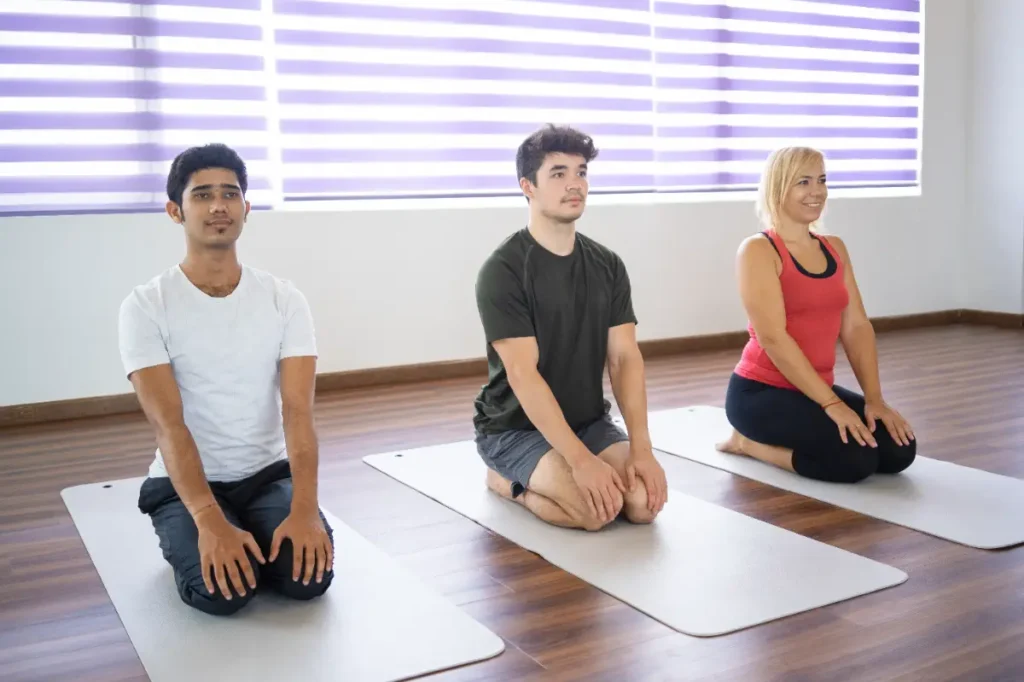

Learn the key precautions of yoga asanas to practice safely. Perfect Morning Yoga and Yoga for Complete Beginners tips to stretch and strengthen wisely.
Yoga is a timeless practice that nurtures the body, mind, and spirit. Whether it’s Morning Yoga or evening relaxation sessions, yoga asanas have become an essential part of millions of people’s daily routines. Yet, while these poses promote balance, flexibility, and strength, it is equally important to learn about the precautions of yoga asanas to ensure safety and effectiveness. Proper technique and awareness can prevent injuries and help practitioners progress steadily in their Yoga to Stretch and Strengthen journey.
Every individual’s body is unique, and that’s why the precautions of yoga asanas should always be prioritized. For those engaging in Morning Yoga or starting Yoga for Complete Beginners, recognizing one’s limits, health conditions, and correct posture alignment is crucial. By observing these essential precautions of yoga asanas, practitioners can safely explore the physical and mental benefits that yoga offers without discomfort or risk.
Yoga to Stretch and Strengthen can transform health when done with care. Whether practicing dynamic poses or gentle stretches, following the right precautions of yoga asanas ensures that each movement supports balance and stability. Let’s explore these vital safety guidelines and learn how to make every yoga session safe, mindful, and deeply rewarding for everyone, from beginners to advanced practitioners.
-
Understand Your Body Before Starting Yoga Asanas
Before diving into any yoga asanas, it’s important to assess your current health and fitness level. Morning Yoga may look simple, but each movement engages muscles, joints, and breathing patterns in specific ways. To get the most from Yoga to Stretch and Strengthen, practitioners must be aware of pre-existing conditions such as back pain, hypertension, or joint problems. Taking the necessary precautions of yoga asanas helps avoid strain or discomfort during practice.
Yoga for Complete Beginners should always begin gradually, focusing on basic poses that build flexibility and strength without pushing the body too hard. Understanding the body’s capabilities allows you to modify or skip poses when necessary. The key precaution of yoga asanas is to avoid comparing yourself with others. Yoga is not about perfection but about connection with your own rhythm and breath. This mindful approach in Morning Yoga builds confidence and prevents injury.
Listening to your body during Yoga to Stretch and Strengthen sessions is not a sign of weakness but wisdom. If a pose causes sharp pain or imbalance, it’s best to stop and adjust. Always respect your body’s signals and take breaks when needed. This mindful awareness is one of the most important precautions of yoga asanas for long-term well-being.
-
Warm Up Before Practicing Yoga Asanas
Warming up prepares the body for the deeper stretches and postures of yoga asanas. Morning Yoga can start with simple joint rotations, neck rolls, and gentle breathing to awaken the body. These movements improve circulation and loosen the muscles, making it easier to perform Yoga to stretch and strengthen without stiffness or strain. Ignoring this step is one of the most common mistakes beginners make when skipping the precautions of yoga asanas.
Yoga for Complete Beginners should spend at least 5–10 minutes on warm-up exercises. Movements like cat-cow stretches, side bends, and slow twists are excellent for enhancing flexibility. When you follow the precautions of yoga asanas by warming up, you reduce the risk of muscle pulls and improve your overall performance. A warm body responds better to yoga postures and maintains better balance and coordination during Morning Yoga.
Remember, the body functions best when it transitions gradually. Jumping straight into advanced yoga asanas without preparation can cause injuries. Warming up not only prepares the muscles but also brings mental focus, aligning your mind with your breath—an essential principle in Yoga to stretch and strengthen safely and effectively.
-
Learn the Correct Technique and Alignment
Practicing yoga asanas with the correct technique ensures maximum benefit while preventing injuries. Each posture has a specific alignment that must be followed. Morning Yoga, when done incorrectly, can put unnecessary pressure on the joints and spine. Following the proper precautions of yoga asanas means learning from a certified instructor, especially for Yoga for Complete Beginners, to ensure that each pose is done safely and accurately.
Alignment in Yoga to Stretch and Strengthen allows energy to flow properly through the body. Incorrect posture may look minor, but it can lead to chronic discomfort over time. By understanding the structural balance of each pose and maintaining steady breathing, you can follow the right precautions of yoga asanas effortlessly. Even experienced practitioners benefit from revisiting fundamentals to refine their technique.
Visual learning through video tutorials or supervised classes can help build body awareness during Morning Yoga. Always check your body alignment in a mirror or through gentle self-adjustments. Remember, the goal is not to force flexibility but to create harmony and stability. This conscious attention to detail forms a strong foundation for Yoga to stretch and strengthen effectively.
-
Avoid Overstretching and Forcing Postures
One of the key precautions of yoga asanas is to respect the body’s natural range of motion. Forcing a stretch during Morning Yoga can cause tears, cramps, or joint injuries. Yoga For Complete Beginners often feel tempted to push deeper into a pose to match experienced practitioners, but this can be counterproductive. Progress in yoga comes through patience, not pressure.
Overstretching disrupts muscle balance and can affect breathing patterns, reducing the benefits of Yoga to stretch and strengthen. The correct approach is to ease into each pose gently and hold it within your comfort zone. By following the right precautions of yoga asanas, you allow the body to adapt naturally over time. Pain is not a sign of progress; it’s a signal to pause and adjust.
Always use props such as yoga blocks, straps, or cushions to modify postures. These tools make Morning Yoga more accessible and safer for all levels. Learning to control your energy and movement prevents fatigue and promotes endurance. True mastery in Yoga to Stretch and Strengthen lies in control, not in extremes.
-
Focus on Breath Control (Pranayama Awareness)
Breathing is the foundation of yoga asanas. Every movement in Morning Yoga should synchronize with the breath to enhance energy flow and mental clarity. Shallow or irregular breathing can cause dizziness and reduce focus, which is why breath control is among the most vital precautions of yoga asanas. When Practicing Yoga for Complete Beginners, always link your breath with your movements consciously.
Pranayama, or controlled breathing, enriches your Yoga to Stretch and Strengthen sessions by improving lung capacity and oxygen supply. For example, inhale deeply when stretching upwards and exhale as you fold forward. This rhythm prevents strain and maintains inner calm. Ignoring breath awareness is a common mistake that can limit the benefits of yoga asanas and reduce stamina.
Consistent breath control relaxes the nervous system and helps regulate heart rate, supporting overall wellness. During Morning Yoga, mindful breathing transforms ordinary postures into meditative experiences. Following these precautions of yoga asanas ensures a balanced flow of energy and focus throughout the practice.
-
Practice on an Empty or Light Stomach
Performing yoga asanas on a full stomach can lead to discomfort and nausea, especially during Morning Yoga sessions. One essential precaution of yoga asanas is to allow at least 2–3 hours between a meal and your yoga practice. The body needs time to digest food before engaging in movements that involve twists and stretches. This is particularly important in Yoga for Complete Beginners who are still adjusting to body awareness.
An empty or light stomach enhances focus and flexibility in Yoga to Stretch and Strengthen sessions. The digestive system functions more efficiently when it’s not overloaded. A light snack like fruit or herbal tea before Morning Yoga can provide gentle energy without heaviness. These simple dietary precautions of yoga asanas make a significant difference in comfort and performance.
Additionally, staying hydrated before and after yoga helps maintain electrolyte balance. Avoid drinking large amounts of water immediately before practice, as it may disrupt breathing patterns. Following these nutritional precautions of yoga asanas helps ensure a smoother, safer, and more energizing session.
-
Choose the Right Environment for Practice
A peaceful environment is crucial for effective yoga asanas. Morning Yoga should ideally be done in a clean, quiet space with fresh air. Cluttered or noisy surroundings can disturb concentration. One of the overlooked precautions of yoga asanas is practicing in unsuitable environments, which can affect posture stability and breathing rhythm. A well-ventilated area supports calmness and focus.
Yoga for Complete Beginners can start by creating a small corner at home dedicated to practice. Use a good-quality yoga mat to prevent slipping and ensure stability during Yoga to stretch and strengthen. Proper lighting also plays an important role; natural daylight enhances alertness and mood, improving the quality of your Morning Yoga session.
Avoid practicing yoga asanas on hard or uneven surfaces, as they can cause strain or imbalance. Following this environmental precaution of yoga asanas ensures comfort and safety. Adding soothing background music or natural sounds can elevate your mental state and make your practice more enjoyable.
-
Avoid Practicing When Unwell or Fatigued
Listening to your body is an essential precaution of yoga asanas. Practicing Morning Yoga when feeling weak, dizzy, or ill can worsen symptoms and delay recovery. Yoga for Complete Beginners should always prioritize rest when the body signals exhaustion. Forcing yourself through Yoga to stretch and strengthen sessions in such conditions may lead to injury or burnout.
During illness or fatigue, gentle breathing exercises or meditation are better alternatives to intense yoga asanas. The body heals faster when given adequate rest and nourishment. One of the key precautions of yoga asanas is knowing when to stop and when to resume. Skipping a day of practice for recovery is far more beneficial than risking harm.
Morning Yoga should refresh, not exhaust. The aim is balance, not perfection. Respecting your physical limits is part of self-discipline, which is central to Yoga to Stretch and Strengthen with consistency and mindfulness.
-
Avoid Practicing in Extreme Temperatures
Temperature control is a major precaution of yoga asanas, often ignored by practitioners. Morning Yoga should be done in moderate conditions, avoiding excessive heat or cold. Practicing yoga asanas in hot weather can cause dehydration, while cold temperatures may stiffen muscles. Maintaining a comfortable room temperature allows your Yoga to Stretch and Strengthen session to be both safe and effective.
Yoga For Complete Beginners may find it challenging to regulate their body temperature during long sessions. Always keep a towel and water nearby during Morning Yoga and avoid practicing outdoors under harsh sunlight. Following this precaution of yoga asanas ensures steady energy levels and prevents dizziness or overheating.
Consistency matters more than conditions. If you prefer a slightly warm room for flexibility, ensure proper hydration and ventilation. Practicing in the right environment enhances comfort, focus, and safety—key components of a productive Yoga to Stretch and Strengthen routine.
-
Gradual Progression and Regular Practice
Yoga is a lifelong journey, not a race. The most important precaution of yoga asanas is to progress gradually. Morning Yoga routines should begin with simple poses and slowly advance towards more complex asanas as flexibility and strength improve. Pushing too hard too soon can cause setbacks. For Yoga for Complete Beginners, patience and regularity are the real keys to success.
Yoga to Stretch and Strengthen works best when practiced consistently. A few minutes daily yield better results than an intense session once a week. By following the right precautions of yoga asanas and maintaining a steady schedule, you create muscle memory and enhance mental clarity. Regular practice builds confidence and a deeper connection between mind and body.
Set realistic goals and celebrate small achievements. Progress in yoga is about awareness and control rather than performance. Morning Yoga becomes a sustainable habit only when approached with self-compassion and discipline.
-
The Role of Props and Modifications
Props are invaluable tools that make yoga asanas accessible to everyone. Using blocks, straps, or bolsters helps maintain correct posture without strain. Morning Yoga often includes gentle poses that can be enhanced through props, especially for Yoga for Complete Beginners. One of the practical precautions of yoga asanas is learning to adapt movements using these aids rather than forcing the body beyond its limits.
Yoga to Stretch and Strengthen should always be comfortable. Props allow you to experience full alignment and relaxation. For example, a yoga block can help in seated forward bends, preventing the rounding of the back. These modifications reduce injury risk and enhance posture stability, forming an essential part of the precautions of yoga asanas.
There’s no shame in using props. They reflect awareness and care in your yoga practice. By using them mindfully, you respect your body’s current flexibility while steadily improving over time. This balanced approach defines safe and sustainable Morning Yoga routines.
-
Learn from Certified Yoga Instructors
Professional guidance is one of the most reliable precautions for yoga asanas. Learning from a certified instructor helps correct mistakes early and builds confidence. Morning Yoga sessions under expert supervision allow you to grasp the foundations of posture alignment, breath control, and mental focus. This ensures your Yoga to Stretch and Strengthen practice is both safe and beneficial.
Yoga for Complete Beginners should avoid copying poses from social media without proper instruction. Online tutorials can be helpful, but might miss personalized corrections. Having a teacher ensures that your yoga asanas are adapted to your individual needs, health conditions, and goals. This personalized support is a crucial precaution of yoga asanas for long-term progress.
Instructors also provide guidance on injury prevention and sequencing. They help you structure Morning Yoga sessions effectively and modify postures when needed. A good teacher not only refines your practice but also inspires consistency and self-awareness.
Final Words
Yoga is a beautiful practice that unites body, breath, and mind. But like any physical activity, it requires mindfulness and care. Following the right precautions of yoga asanas protects the body from strain and enhances the benefits of Morning Yoga. Practicing Yoga to stretch and strengthen with patience and respect for your body’s limits leads to steady improvement and inner peace. Beginners should embrace learning as part of their journey rather than rushing for perfection.
Yoga for Complete Beginners can achieve remarkable progress through consistency, awareness, and discipline. By following the essential precautions of yoga asanas—such as proper warm-ups, breath control, posture alignment, and gradual advancement—you create a safe and fulfilling experience. Morning Yoga becomes not just a workout but a pathway to holistic wellness and mental clarity.
FAQs
-
What are the most important precautions of yoga asanas for beginners?
The main precautions of yoga asanas for beginners include warming up properly, learning correct alignment, avoiding overstretching, and practicing under supervision. Morning Yoga should start with simple movements suitable for Yoga for Complete Beginners.
-
Can I perform yoga asanas during illness or fatigue?
No. One of the vital precautions of yoga asanas is avoiding practice when unwell. Morning Yoga should promote energy and balance, not exhaustion. Resting and resuming once recovered is safer.
- Why should yoga asanas be done on an empty stomach?
Practicing yoga asanas on an empty stomach ensures better flexibility and breathing comfort. This is a key precaution of yoga asanas, especially for Morning Yoga and Yoga for Complete Beginners. - How can props help in practicing yoga asanas safely?
Props like blocks and straps support proper alignment in Yoga to Stretch and Strengthen. They reduce strain and form an essential precaution of yoga asanas, making Morning Yoga safer for all. - What should I avoid during yoga asanas?
Avoid overexertion, poor posture, and irregular breathing. These habits violate the basic precautions of yoga asanas. Focus on control, balance, and relaxation during Morning Yoga. - How often should beginners practice yoga asanas?
Yoga for Complete Beginners should aim for daily Morning Yoga sessions of 15–30 minutes. Regularity and awareness are vital precautions of yoga asanas for steady, safe progress.