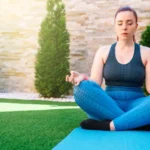


Discover a 7-minute soothing yoga flow for lower back pain relief. Easy, beginner-friendly poses to reduce stiffness, improve posture, and heal naturally.
Lower back pain is something most of us face at some point in life. It can feel like a dull ache after sitting too long, stiffness in the morning, or even a sharp twinge when bending down. The good news? Relief doesn’t always require heavy medication or long therapy sessions. A short and gentle 7-minute yoga flow can ease discomfort, restore flexibility, and strengthen your back—all from the comfort of your home.
This step-by-step routine is beginner-friendly, safe, and designed to help you feel better fast.
Why Yoga Helps Lower Back Pain
Yoga for lower back pain isn’t just stretching. It’s about moving mindfully, breathing deeply, and strengthening muscles that support your spine.
- Flexibility and release: Poses gently stretch tight areas like hamstrings, hips, and lower spine, which are often behind back pain.
- Strength and support: By engaging the core and glutes, yoga builds stability, preventing future aches.
- Posture improvement: Regular practice reduces slouching and helps maintain a healthy spinal curve.
- Calm and healing: Focused breathing reduces stress, which can make pain feel less intense.
Scientific studies confirm that yoga is as effective as many traditional treatments for chronic lower back pain. It can reduce dependence on painkillers, improve daily movement, and lift overall mood.
The 7-Minute Soothing Yoga Flow
This flow has been designed to target the key areas that support your back. Hold each pose for about 30–60 seconds unless mentioned otherwise.
1. Child’s Pose (Balasana)
- Kneel on the mat, big toes together, knees apart.
- Stretch arms forward and rest your forehead down.
- Breathe deeply into your lower back.
- Stay for 1 minute, letting every exhale melt away tension.
2. Cat-Cow (Marjaryasana/Bitilasana)
- Start on all fours, wrists under shoulders, knees under hips.
- Inhale, arch your back, lift tailbone and gaze up (Cow).
- Exhale, round spine, tuck chin to chest (Cat).
- Flow gently for 1 minute with breath.
3. Downward-Facing Dog (Adho Mukha Svanasana)
- From all fours, lift hips up to make an upside-down “V”.
- Keep knees soft, heels reaching toward the floor.
- Let your head relax between arms.
- Hold for 1 minute, feeling the spine lengthen.
4. Knees-to-Chest (Apanasana)
- Lie on your back, pull both knees toward your chest.
- Hug them in and gently rock side to side.
- This releases tension at the lower back’s base.
- Stay for 1 minute.
5. Sphinx / Cobra Pose (Salamba Bhujangasana / Bhujangasana)
- Lie on your stomach. Place elbows under shoulders for Sphinx or palms under shoulders for Cobra.
- Lift chest gently, keeping pelvis grounded.
- Strengthens spine and opens chest.
- Hold for 1 minute.
6. Two-Knee Spinal Twist (Supta Matsyendrasana)
- Lie on your back, bend knees and let them drop to one side.
- Stretch arms out in a T-shape.
- Hold for 30 seconds per side, breathing deeply.
7. Bridge Pose (Setu Bandha Sarvangasana)
- Lie on back, knees bent, feet hip-width apart.
- Press into feet, lift hips toward ceiling.
- Engage glutes and core.
- Stay for 1 minute.
Final Rest (Savasana)
- Stretch legs out, arms by sides.
- Breathe naturally, relax fully.
- Stay for at least 30 seconds.
Tips for Safe Practice
- Move slowly and never force a posture.
- Pain means stop—mild stretch or release is fine, sharp discomfort is not.
- Use props like pillows or blankets for support.
- Breathe with every movement: inhale to lengthen, exhale to soften.
- Repeat daily or at least 3–4 times a week for best results.
Expert Insights: Why This Works
Doctors and yoga experts explain that this mix of poses:
- Stretches tight muscles (hamstrings, hips, back).
- Strengthens support muscles (core, glutes, spine).
- Improves posture (reduces pressure on discs and joints).
- Soothes the nervous system (deep breathing reduces pain signals).
Over time, practicing this 7-minute routine can lead to lasting relief from lower back pain, fewer flare-ups, and more energy for daily life.
Conclusion
Back pain can feel overwhelming, but small, consistent steps can create big changes. This 7-minute soothing yoga flow is a safe, natural way to ease pain, relax your body, and strengthen your spine. Whether you are starting your day, unwinding after work, or calming down before bed, these gentle poses can help you feel lighter and move more freely.
Make this short practice part of your daily routine—and enjoy a healthier, happier back.
Frequently Asked Questions (FAQs)
1. Is yoga safe for lower back pain?
Yes, gentle yoga is safe for most people and often recommended for back pain. Always avoid forcing poses.
2. How often should I do this 7-minute flow?
Daily practice is ideal. Even 3–4 times a week can bring relief.
3. Can beginners try these poses?
Absolutely. These poses are beginner-friendly and need no prior yoga experience.
4. What if a pose feels uncomfortable?
Skip it or modify with props. Never push into pain.
5. Can yoga help with sciatica?
Gentle twists and backbends may ease sciatic pain, but consult a doctor if symptoms are severe.
6. Do I need yoga equipment?
A mat is helpful but not required. You can use a carpet or towel. Props like pillows and blocks add comfort.
7. How quickly will I feel results?
Some people feel relief immediately. With regular practice, long-term benefits become stronger.
8. Are there risks to practicing yoga with back pain?
Risks are low if you move carefully. Avoid extreme backbends or twisting too far.
9. Can yoga replace medicine?
Yoga can reduce the need for medication, but always follow medical advice for chronic or severe pain.
10. What if pain continues despite yoga?
See a healthcare professional to check for underlying conditions.